-01%2FNewlogo1.png&w=1080&q=75)
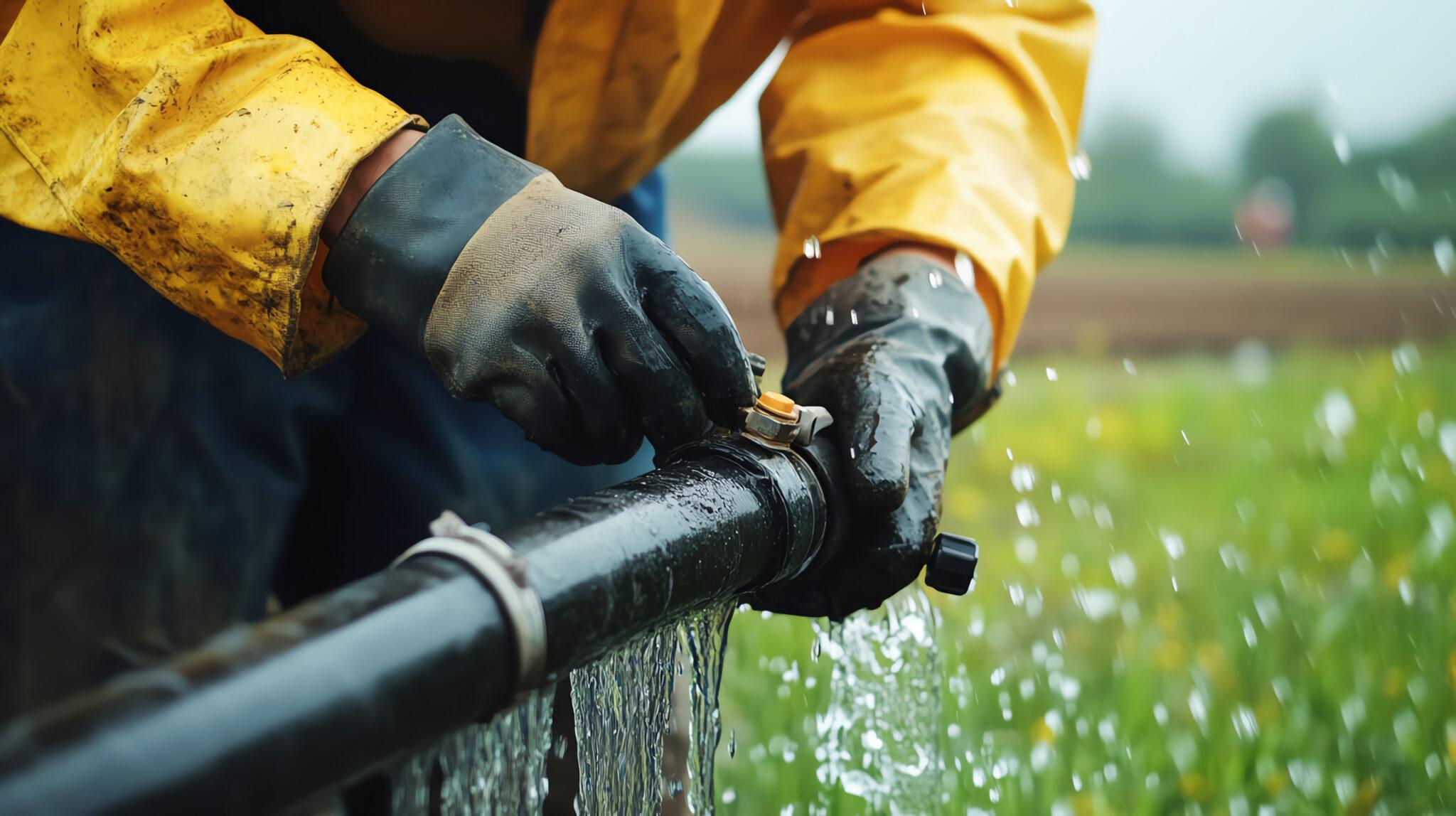
An effective irrigation maintenance program includes regular component inspections, seasonal schedule adjustments, and prompt repairs. A proactive approach ensures system efficiency, conserves water, keeps your crops or landscapes healthy and saves monery.
Here’s a comprehensive maintenance checklist to keep your irrigation system running at peak performance.
General and Regular Inspections
- Inspect for leaks and blockages : walk through your property while the system runs. Look for puddles, dripping fittings, wet spots, or areas with no water flow, which indicate broken pipes or blocked emitters.
- Clean filters and nozzles : remove dirt and debris from filters, drip lines, and sprinkler nozzles regularly to maintain strong, even water flow. Clogged components reduce efficiency and create uneven coverage.
- Adjust sprinkler heads : periodically realign heads to ensure they water your intended areas, not driveways, paths, or buildings. Misaligned sprinklers waste water and money.
- Test water pressure : use a gauge to confirm water pressure falls within the recommended range for your system type. Incorrect pressure reduces efficiency and can damage components.
- Check coverage zones : confirm each zone effectively and uniformly waters its intended area. The ‘tuna can test’ is a simple way of calibrating application rates across your system.
- Monitor landscape health : watch for signs of overwatering (runoff, fungus growth, waterlogged soil) or underwatering (dry spots, wilting plants) and adjust your schedule accordingly.
Controller and Electrical Components
- Review and adjust watering schedules : keep your controller updated with the correct time and date. Summer typically requires more frequent watering than cooler months, so adjust schedules seasonally.
- Test rain and weather sensors : ensure sensors are clean and functioning correctly. They should automatically stop the system during rain events to conserve water and prevent overwatering.
- Inspect wiring connections : check all visible wiring at the controller and valve boxes for wear, corrosion, or damage. Damaged wiring can cause system malfunctions or complete failure.
- Replace backup batteries : ensure your controller’s backup battery functions properly to prevent data loss during power outages. A dead battery means starting from scratch with your programming.
Valves and Pipes
- Inspect valve boxes : open valve boxes to check for pooling water, debris buildup, or root intrusion. Manually test each valve for proper operation and smooth opening/closing action.
- Flush the system : at least once a year flush your lines to remove sediment and buildup that clogs pipes and emitters. This simple step significantly improves system performance.
- Test backflow prevention device : check your backflow preventer for leaks and ensure all components operate smoothly : verify your compliance requirements.
Seasonal Maintenance Tasks
- Spring : perform a full system startup after winter. Check for damage from cold weather or dormant period issues, flush pipes thoroughly, and reset your watering schedule for the growing season.
- Summer : increase monitoring for leaks due to higher system usage. Adjust schedules for elevated temperatures and increased evaporation rates.
- Autumn : reduce watering frequency as temperatures cool and plant water requirements decrease. Begin preparing your system for potential winter shutdown in colder regions.
- Winter : in colder climates, properly shut down and winterise your system. Use compressed air to clear lines and prevent freeze damage to pipes and components. Even in milder Australian climates, reduce schedules and check for any weather-related damage.
The Maintenance Payoff
Regular maintenance prevents small problems from becoming expensive failures. A well-maintained irrigation system delivers consistent performance, uses water efficiently, and lasts significantly longer than a neglected one.
The time invested in routine inspections and adjustments pays for itself through reduced water bills, fewer emergency repairs, and healthier crops or landscapes.
 Keep Reading